

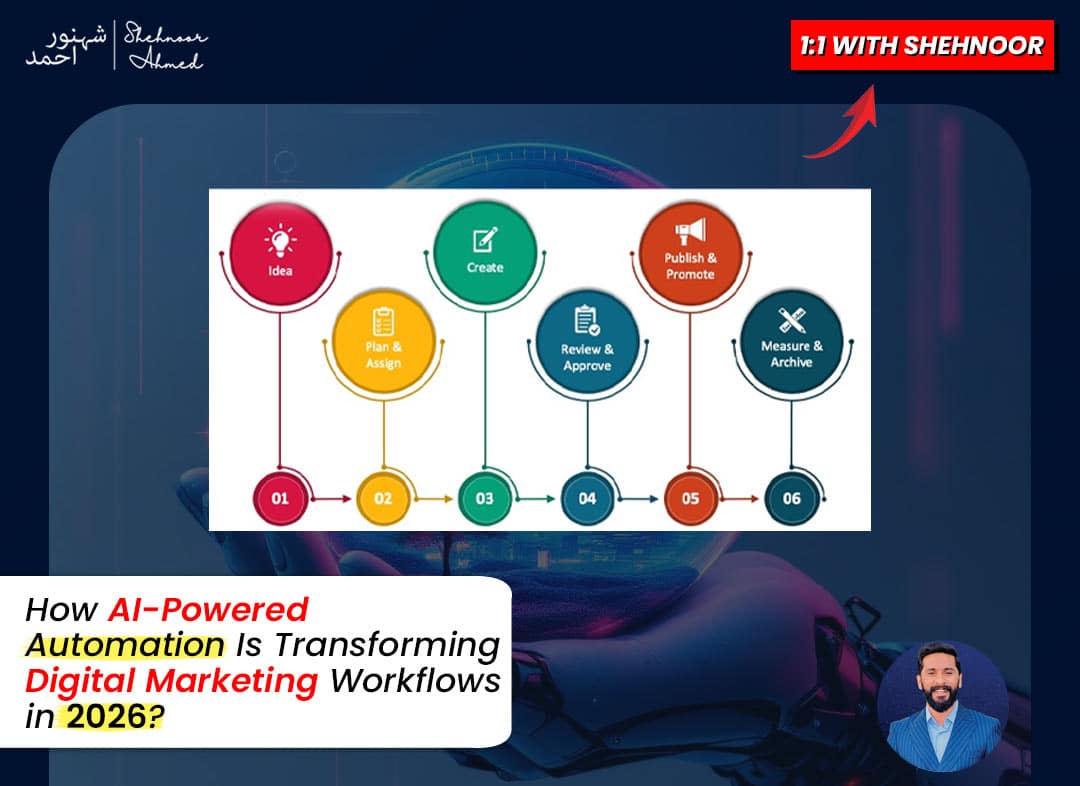
Three years ago, it felt strange to run a full marketing operation alone. Fast forward to now, and it has become normal.
The change didn’t come slowly. It hit fast and completely changed how we manage campaigns, create content, and connect with audiences.
Think back to your workweek in 2023. Hours disappeared while scheduling posts. Afternoons were spent checking performance numbers. Evenings went into writing endless email versions and testing what worked. That nonstop grind feels ancient now.
The Shift That Changed Everything
Small marketing teams are now getting results that once needed full departments. Local stores can compete with global brands. This happened because advanced tools became accessible to everyone.
It is not about cutting jobs or removing people. The real progress is that boring, repetitive work is gone. Now there is time for the part that makes marketing exciting: creativity, planning, and ideas that move people.
Practical Applications Delivering Results
Here’s what actually works today.
Faster Content Creation
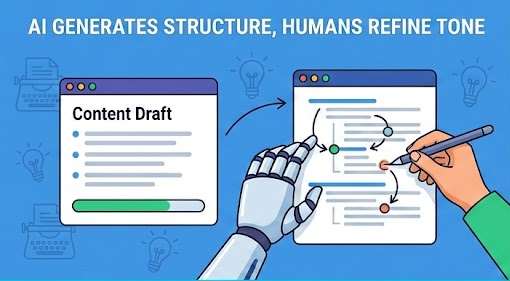
Writing used to take the whole day. Now the base version comes together quickly, giving you more time to refine it and add your own tone. Publishing unedited AI text still fails. The best approach is to use AI for structure and rely on your creativity for the final version.
Smarter Email Marketing
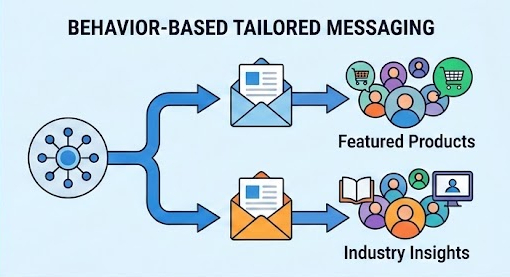
Mass emails do not work anymore. The best results come from tailoring messages based on behavior. For example, people who browse products receive one type of message, while those who read educational content get another. This customization happens automatically, and engagement has improved significantly.
Simpler Social Media Management
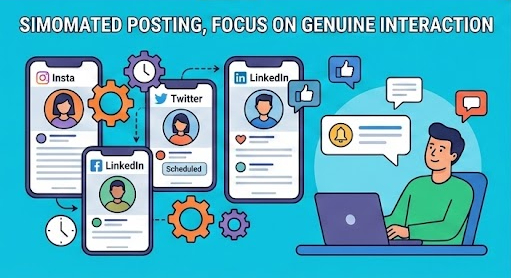
Handling multiple platforms used to be tiring. Scheduling, posting, and responding to comments took all day. Now, most of it happens automatically. You focus on ideas and genuine conversations while the system manages timing and routine interactions.
Better Advertising Performance
Modern ad systems monitor results in real time. Budgets move automatically toward what works best. Poor-performing ads stop early before wasting money. Audience targeting adjusts based on conversion data instead of guesses. Marketers have reported better return on investment across industries (Reuters, 2025).
How Daily Operations Changed
A few years ago, the week looked like this:
- Monday: plan content for the week
- Tuesday and Wednesday: create and edit content
- Thursday: check analytics and realize what went wrong
- Friday: fix problems and plan next week
- Weekend: respond to notifications and handle emergencies
Today, the routine looks different. Most planning and posting run automatically. You only receive alerts when human attention is needed. Your time goes into strategy and creative ideas instead of constant catch-up. The stress reduction is huge.
Benefits for All Types of Businesses
Small Businesses
The biggest winners are small teams. They now have access to tools that used to be available only to large companies.
Marketing Agencies
Agencies can serve more clients without losing quality. Work that took days now finishes in hours, improving profit and reducing pressure.
Challenges That Still Exist
Adopting new tools takes learning. Turning them on does not solve strategy problems. AI speeds up work, but the thinking still comes from you. Strategy, message clarity, and creativity remain essential (Search Engine Journal, 2025).
Data privacy also matters. Audiences like personalization, but they also expect transparency. Companies must respect privacy laws and protect data carefully.
Automation without human oversight produces average results. The best performance still requires people to review and improve the system.
What’s Coming Next
AI is making video creation faster, improving voice search optimization, and making predictive analytics more accurate.
But the foundation of marketing is the same: understanding people. Great marketing tells real stories, builds trust, and delivers value. Technology helps scale that effort, but it cannot replace human connection.
Marketers who combine automation with emotional understanding will always stand out.
Final Thoughts
Running everything manually in 2026 means choosing extra work. The tools already exist to make your job easier and more effective. Marketers who started using automation early are now seeing better results while working fewer hours.
Change keeps coming fast, but one thing stays true; marketing is about people and value. Modern tools make it possible to keep that quality while saving energy and time.
Your competitors have already adapted. If you want to stay ahead, it is time to do the same.
Ready to modernize your marketing strategy?
For a personalized consultation that combines proven marketing methods with modern automation tools, contact Shehnoor Ahmed at [email protected].
FAQs:
Does Automation replace marketers?
No, Automation handles repetitive tasks. Marketers still create ideas, strategy, and human connections.
Is AI content enough on its own?
No, AI gives you a starting point, but people need to review and personalize it. Pure AI text sounds flat and robotic.
Are Automation tools expensive?
No anymore. Many platforms offer free or low-cost plans for small businesses. You can simply start and scale later.
This post may contain affiliate links. As an affiliate partner, we may earn commissions from qualifying purchases made through these links, at no additional cost to you. Our recommendations are based on independent research and genuine opinions.