

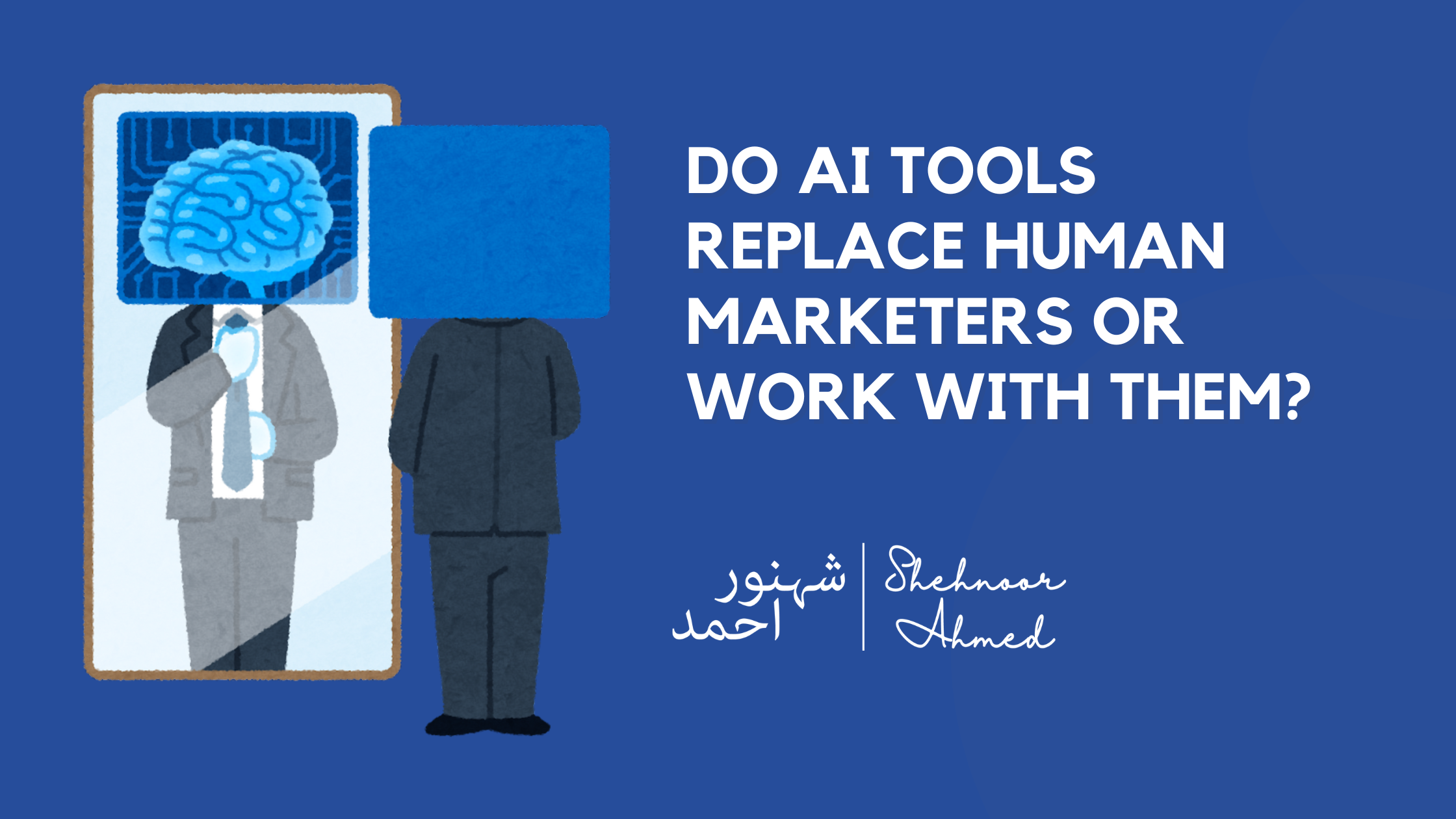
In the fast-moving world of digital marketing, it’s easy to feel overwhelmed by the number of tools out there. From keyword trackers to content planners, automation dashboards to analytics apps, they promise faster results, better performance, and simpler campaigns.
But here’s the truth:
No tool replaces the thinking, instincts, or storytelling of a good marketer.
They assist. They organize. They speed things up.
But the message, the timing, the voice, that still comes from you.
At Shehnoor Ahmed, we’ve worked with creators, consultants, and digital businesses who’ve asked the same question:
“Is it the tools doing the work, or me?”
Our answer: It’s always you. The right tools just help you do it better.
What Tools Actually Do (And What They Don’t)
Let’s break it down practically.
Tools make your process smoother.
They help you collect data, monitor trends, automate repetitive work, and keep campaigns consistent.
But they don’t understand your audience like you do. They don’t know the tone your brand uses, the goals you’re aiming for, or the small cultural details that win trust.
The Real-World Blend That Works
When we help clients streamline their marketing with tools, the biggest wins come from a blend, not a handover.
- One client used automation for weekly newsletters, saving hours each month, but wrote every subject line manually for higher open rates.
- Another switched from spreadsheets to Trello for campaign planning, but still led brainstorming sessions on paper.
The lesson?
Don’t hand off your strategy. Just organize it better.
Bonus Tip:
Use tools that feel like extensions of your natural workflow, not replacements for your process.
Get best AI marketing tools at discounted rates.
Things to Know Before You Commit to Tools
Not every tool will suit your business. Some slow down your website. Others conflict with your hosting or CMS. A few just aren’t built for your market.
Here’s what to consider before diving in:
Bonus Tip:
Start with one problem. Pick a tool to solve that one issue. Expand later.
Common Myths Marketers Should Ditch
Let’s set the record straight on a few persistent myths:
- “I don’t need strategy if I have great tools.”
Strategy comes first. Tools are the support act. - “More tools = more professional.”
No. Simple, streamlined systems often work better. - “All tools are plug-and-play.”
Some take real onboarding. Others require custom setup. - “Automation means I can step away.”
You still need to steer the ship, especially when things go wrong.
Tools Worth Exploring (That Respect Your Process)
At Shehnoor Ahmed, we’ve tested hundreds of platforms. The ones that stick are the ones that stay in the background while you lead the way.
Use these tools to support your ideas, not to replace them.
FAQs
1. Can marketing tools write or create content for me?
No. They help with structure and consistency, but you need to write and guide your message.
2. Is it worth investing in tools as a solo marketer?
Yes, especially for time-saving tasks like scheduling or monitoring. Just pick 1–2 to start.
3. How do I know if a tool is helping or wasting time?
If you spend more time learning it than using it, it’s the wrong tool.
4. What’s the biggest risk with using tools?
Losing your voice or over-automating. You become just another brand in the noise.
5. Should I rely on free tools or go paid?
Free tools are great for testing. Go paid only when a tool proves essential to your process

This post may contain affiliate links. As an affiliate partner, we may earn commissions from qualifying purchases made through these links, at no additional cost to you. Our recommendations are based on independent research and genuine opinions.