

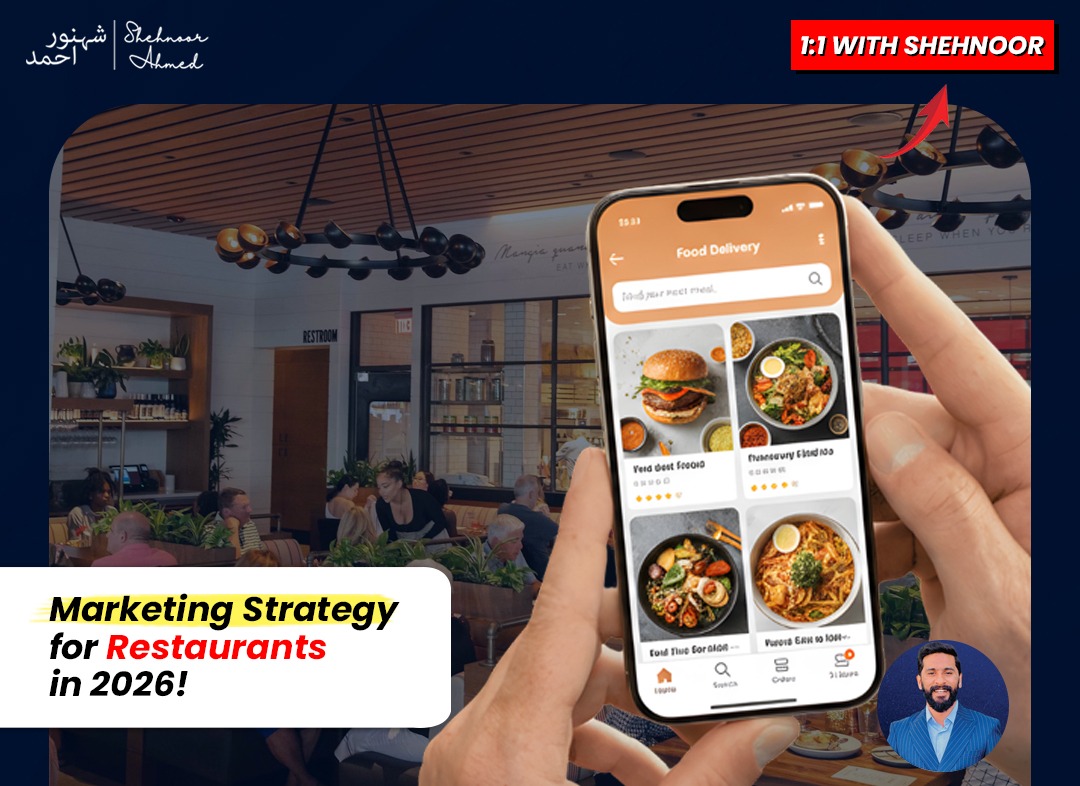
Restaurants are not struggling because people stopped eating out. They are struggling because the way people choose where to eat has changed faster than most marketing strategies.
Search is no longer a list of links. It is a decision engine. People scan AI summaries, Google Maps, reviews, menus, images, and brand signals in seconds. If your restaurant does not feel familiar or trustworthy in that moment, it gets skipped quietly.
I see this across the UK. Good food, solid service, decent locations, but weak visibility. Not because owners are lazy, but because old restaurant marketing logic no longer matches how discovery works in 2026.
The gap is not effort. It is a strategy.
Why restaurant marketing feels unpredictable now
Most restaurant owners I speak to feel the same frustration. Some weeks are busy, some weeks are flat, and marketing feels like guesswork. Social posts get likes but no bookings. Ads bring clicks but no loyalty. SEO feels slow and unclear.
This happens when marketing tactics exist without a central idea.
Posting regularly does not equal visibility. Running ads does not equal trust. Publishing content does not equal authority. When there is no connected restaurant marketing strategy, every channel works in isolation, and nothing compounds.
In 2026, consistency matters more than frequency. Search systems and customers both reward brands that feel stable, confident, and easy to understand.

How search actually works for restaurants today
Search behaviour has changed in subtle but important ways.
People do not search and read. They search and decide.
They look at summaries, star ratings, review language, menu previews, images, and how often a name appears across platforms. AI systems now surface restaurants that answer practical questions without friction.
Questions like whether the food suits their diet, whether the pricing feels fair, whether the experience matches the occasion, and whether others like them enjoyed it.
When I review restaurant websites, I often see content that exists only to exist. Pages filled with generic words, repeated phrases, and no real explanation. That content does not help people decide, so it does not get surfaced.
Visibility now comes from clarity.
No marketing strategy for restaurants means NO equals NO momentum

This is where most restaurants lose ground.
Without a clear marketing strategy for restaurants, it becomes reactive. One month focuses on Instagram. The next month focuses on ads. Then email promotions. Then discounts. Each effort resets instead of building.
A strategy connects everything. It defines what the restaurant stands for, who it serves best, and why it is worth choosing. Once that is clear, SEO supports it, social reinforces it, and ads amplify it.
Without a strategy, marketing stays busy but weak.
Content depth beats content volume
More content does not mean better results anymore. In fact, it often does the opposite.
I see restaurants publishing blogs that say nothing new, posting captions that repeat the same ideas, and updating pages without improving clarity. AI systems notice this. So do users.
What works now is depth.
A clear explanation of the menu philosophy. A thoughtful breakdown of sourcing. Honest answers about pricing. Transparent information about dietary needs. These things build confidence.
One strong page that answers real questions outperforms ten shallow posts every time.
Why personal presence matters more than logos
This part often surprises restaurant owners.
People trust people before brands. Even in hospitality.
In 2026, restaurants that show the human side perform better in search and recall. That does not mean constant posting or forced personality. It means visibility with intent.
When a chef explains why a dish exists, when an owner shares standards, when a team shows how they work, trust forms naturally. AI systems look for those signals. They surface brands with real voices behind them.
A restaurant brand feels stronger when it is not faceless.
Want to grow your brand, get my brand consultations in UK.
How customers actually judge expertise
Customers rarely analyse marketing consciously. But their behaviour reveals how decisions are made.
They compare how consistent a restaurant feels across platforms. They notice whether explanations sound confident or vague. They sense whether reviews feel earned or ignored. They check if the menus are clear or confusing.
If something feels off, they move on. Not angrily. Quietly.
That is why restaurant marketing techniques must focus on reassurance instead of persuasion. Confidence without clarity no longer works.
Digital marketing strategy for restaurants that works in 2026
A working digital marketing strategy for restaurants is simpler than most people expect.
It starts with strong local visibility, accurate listings, real images, and active review responses. That foundation supports everything else.
Search content should help people decide. Not blog for the sake of blogging, but pages that explain experience, value, and expectations.
Social content should document reality. Busy nights, quiet prep, real moments. Not polished perfection.
Ads should reinforce what people already see organically. Do not introduce a new story that disappears after the budget stops.
When these elements align, marketing stops feeling random.
A quick reality check
Here is the difference I often see.
Restaurants that struggle focus on offers, trends, and volume. Restaurants that grow focus on familiarity, explanation, and trust.
The second group does less, but does it deliberately.
Why most restaurant marketing advice no longer fits
Much of the advice online still treats marketing as a checklist. Post here. Run ads there. Use this tool. Follow that tactic.
That advice ignores how search and AI systems now judge credibility.
They reward meaning, not motion. They surface clarity, not noise.
If your marketing does not reduce uncertainty for customers, it fades, no matter how active it looks.
FAQs
How has AI changed marketing strategy for restaurants?
AI now prioritises restaurants that explain themselves clearly across search, reviews, and content. Visibility comes from trust signals, not volume.
Is SEO still valuable for restaurants?
Yes, but only when SEO focuses on local relevance and real decision questions, not keyword repetition.
What makes restaurant content authoritative now?
Clear explanations, consistent messaging, visible experience, and proof through reviews and presence.
Can independent restaurants compete with chains?
Absolutely. Local relevance and authenticity often outperform size when the strategy is focused.
What should restaurants focus on most in 2026?
Clarity, consistency, and trust across every digital touchpoint.
Final thoughts
Restaurant marketing in 2026 rewards thinking, not noise.
When strategy leads, channels stop fighting each other. SEO supports reputation. Social builds familiarity. Ads amplify trust.
If you want to think more clearly about your marketing strategy for restaurants, you can explore more insights on Shehnoor Ahmed.
And if you want direct guidance for marketing consultation, contact [email protected].
Sometimes the right strategy is not more effort. It is a better direction.

This post may contain affiliate links. As an affiliate partner, we may earn commissions from qualifying purchases made through these links, at no additional cost to you. Our recommendations are based on independent research and genuine opinions.